
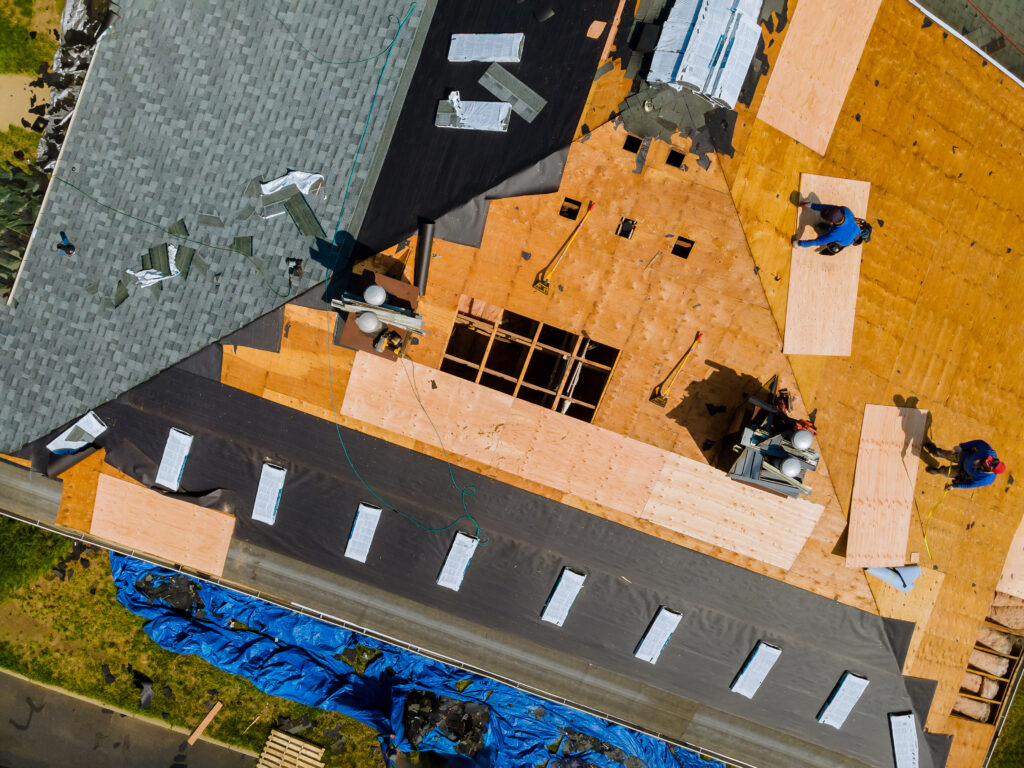
In this post, we’ll walk you through the key factors to consider when choosing the right roofing material for your home. From budget and durability to aesthetics and climate, we’ll help you make an informed decision.
1. Consider Your Budget
The cost of roofing materials can vary significantly, so it’s important to establish your budget before choosing a material. Some materials, like asphalt shingles, are more affordable, while others, such as metal or slate, can be more expensive. When calculating your budget, remember to factor in both the material and installation costs, as some materials require specialized installation.
Popular Options:
Asphalt Shingles: Affordable, widely used, and available in many styles and colors.
Metal Roofing: More expensive but offers durability and energy efficiency benefits.
Slate or Tile: High-end options with a longer lifespan but come with a higher price tag.
2. Durability and Longevity
Different roofing materials have different lifespans. If you want a roof that lasts for decades with minimal maintenance, opt for a more durable material. Understanding the lifespan and durability of the material you choose can help you make an informed decision.
Popular Options:
Asphalt Shingles: Last 15-30 years depending on the quality of shingles and climate.
Metal Roofing: Can last 40-70 years, highly durable and resistant to weather extremes.
Slate: Known for its incredible durability, lasting up to 100 years or more with proper care.
3. Consider the Climate
The climate in your area plays a huge role in determining which roofing material will perform best for your home. Some materials are better suited for certain weather conditions, while others may not be as effective in certain climates.
For Hot Climates:
Metal Roofing: Reflects sunlight and reduces cooling costs.
Clay Tiles: Good for heat resistance and provides a stylish, Mediterranean look.
For Cold or Snowy Climates:
Asphalt Shingles: Good at shedding snow and ice, providing proper insulation.
Metal Roofing: Ideal for snowy regions as the smooth surface allows snow to slide off easily.
For Areas with Frequent Rain or Storms:
Asphalt Shingles: Weather-resistant, and affordable for most homes.
Metal Roofing: Excellent for resisting water and wind damage, especially in storm-prone areas.
4. Aesthetic Appeal
Your roof’s appearance is a key factor in the overall look of your home. The material you choose should complement your home's architectural style and enhance its curb appeal. Roofing materials come in a variety of colors, textures, and finishes, so you'll have plenty of options to choose from.
Popular Options:
Asphalt Shingles: Available in many colors and styles, suitable for most home types.
Wood Shingles or Shakes: Natural, rustic look, ideal for cottages or coastal homes.
Slate or Tile: Elegant and timeless, perfect for historic or Mediterranean-style homes.
5. Maintenance Requirements
Some roofing materials require more maintenance than others. If you prefer a low-maintenance option, choose a roofing material that doesn’t require frequent inspections or repairs. On the other hand, some materials, like wood, require periodic treatments to protect them from rot or insects.
Popular Options:
Asphalt Shingles: Low maintenance, but may need periodic repairs.
Metal Roofing: Minimal maintenance, though occasional cleaning and inspection are recommended.
Slate and Tile: Low maintenance but may require professional repairs if damaged due to the material’s weight.
1. Accumulation of leaves and debris
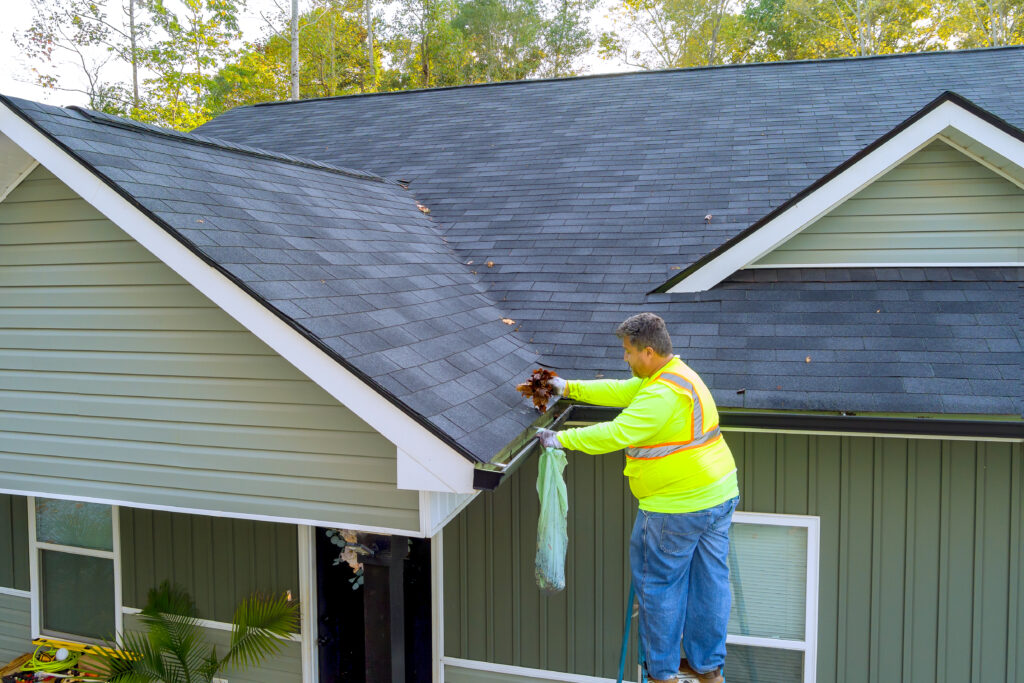
If you notice that your gutters are clogged with leaves, branches, or any other type of debris, this can prevent water from flowing freely. Blocked gutters can not only cause water overflows, but they can also lead to corrosion or mold formation. It is important to clean your gutters regularly to ensure that water drains efficiently.
2. Leaks or water overflowing from gutters
If you notice water overflowing from your gutters, even when it's not raining heavily, it's a clear sign that something is obstructing the flow of water. This can be caused by debris buildup or gutters becoming deformed. Overflowing water can damage your home's walls, exterior paint, and foundation.
3. Dirt on exterior walls or foundations
If you notice water stains, mold, or moisture on the exterior walls of your home or near your foundation, it could be a sign that your gutters aren't working properly. This usually happens when water overflows or leaks due to a clog or damage to your gutters. Proper gutter maintenance can prevent these types of problems.
4. Visible damage or deformations in the gutters
If your gutters are bent, worn, or have visible cracks, it's important to repair or replace them as soon as possible. Damaged gutters not only lose effectiveness, but they can also be a breeding ground for corrosion and structural damage. Early repairs can save you money on costly repairs in the long run.
5. Presence of pests (insects or rodents)
Gutters that are not properly cleaned or maintained can become a haven for insects, birds, or rodents. Pest nests can block water flow and even damage the drainage system. If you notice insects or rodents in or near your gutters, an urgent cleaning and inspection is likely needed.
HOW TO AVOID PROBLEMS WITH GUTTERS?
Regular Cleaning : Be sure to clean your gutters at least twice a year, especially during spring and fall when more leaves fall.
Inspection : Perform frequent visual inspections to identify obstructions, damage, or any signs of overflow.
Repairs : Repair any cracks or damage to your gutters immediately to prevent water leaks.
1. Visible Cracks or Holes
One of the most obvious signs that your siding needs attention is visible cracks or holes. These openings can allow water to penetrate, leading to potential mold growth, wood rot, or damage to the underlying structure. If you notice cracks or holes, it’s important to repair them promptly. In some cases, if the damage is widespread, it may be time to consider a full siding replacement.
2. Warping or Buckling
Siding that is warped, buckling, or has started to pull away from your home is a clear indication that something is wrong. This could be due to moisture infiltration, poor installation, or simply wear and tear over time. If your siding is sagging or pulling away, it can compromise your home’s structural integrity and insulation, so it’s essential to have it repaired or replaced as soon as possible.
3. Fading or Discoloration
While some fading over time is natural due to exposure to the sun, extreme discoloration could signal that your siding is no longer performing as it should. Fading can reduce your home’s curb appeal, but more importantly, it may mean that the protective layers on the siding have worn off, leaving your home more vulnerable to the elements. If the color of your siding is severely faded or blotchy, it may be time to repaint or replace it.
4. Mold, Mildew, or Algae Growth
Mold, mildew, or algae growing on your siding can be a sign of trapped moisture or poor ventilation. This growth can not only make your home look unattractive but can also pose health risks and cause damage to the siding. While some mold or mildew can be cleaned off, if the growth is persistent or widespread, it may indicate that your siding is no longer functioning properly and could need replacement or major repairs.
5. Loose or Missing Siding Panels
If you notice that some panels of your siding are loose, missing, or have fallen off, it’s important to address the issue right away. Missing siding leaves your home vulnerable to water infiltration, pests, and other environmental factors. Replacing or securing the panels quickly can help prevent further damage and keep your home protected.
6. Peeling Paint or Staining
Peeling paint or staining on the exterior of your home is another red flag that your siding needs attention. This can be a sign of water damage or rot beneath the surface. If you catch the issue early, you may be able to repair it with fresh paint or cleaning, but if the underlying damage is significant, you may need to replace the siding.
7. Pest Infestation
Pests, such as termites, carpenter ants, or rodents, can infiltrate damaged or old siding. If you notice signs of pest activity around your home, it’s important to inspect your siding for any damage that could be providing access to these unwanted guests. In severe cases, pest infestation can cause extensive damage to your siding, making replacement necessary.
8. Old Age of Siding
Even the most durable materials have a lifespan. Vinyl siding typically lasts about 20-30 years, while wood siding can last 10-15 years with proper care. If your siding is nearing the end of its expected lifespan, it may be time to consider a replacement to avoid more frequent maintenance issues and costly repairs in the future.
9. Changes in Home Aesthetics
If you’re looking to update the look of your home, replacing or refreshing your siding can make a huge difference in curb appeal. Whether your style has changed or you simply want to modernize your home, upgrading your siding can instantly elevate the overall appearance.
© 2025 Copyright All rights reserved by lsgroofing.